
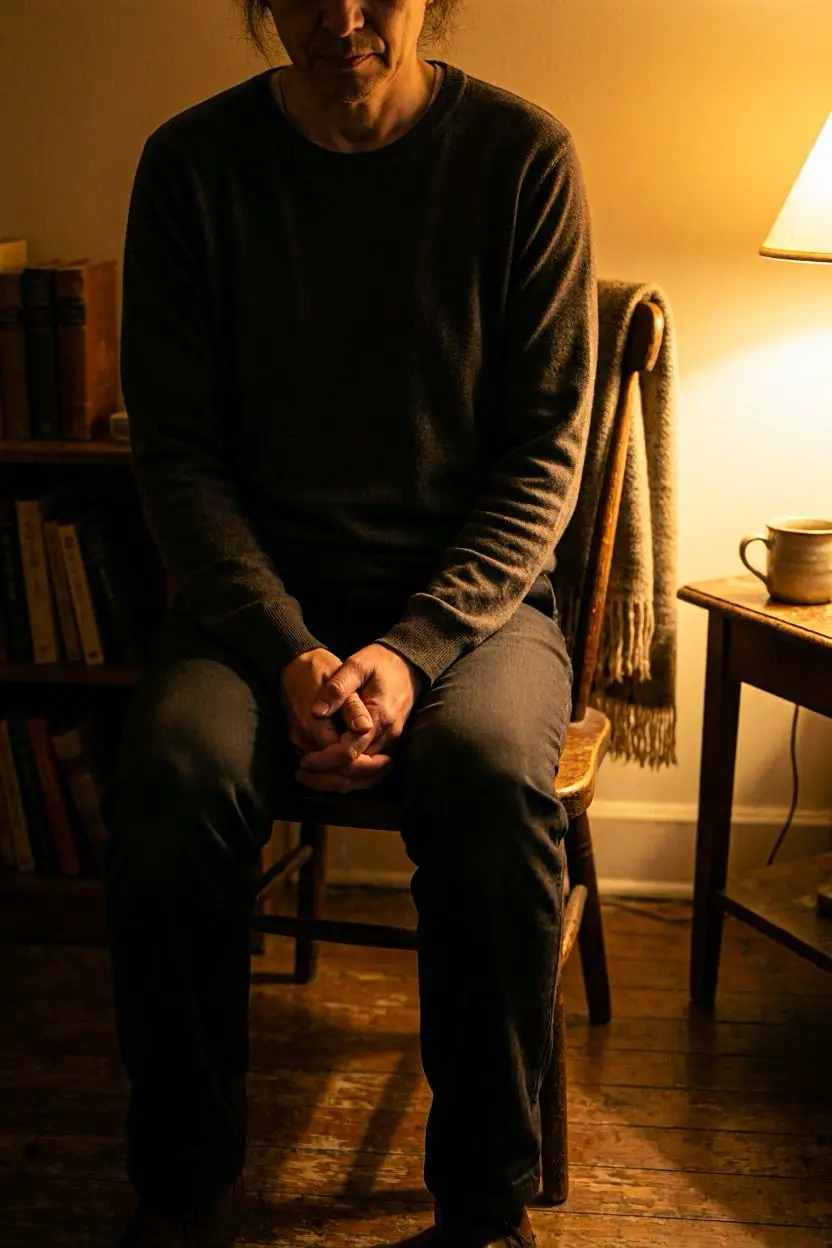
“The past does not always speak loudly. Sometimes it arrives in fragments, pauses, patterns, and the details we almost miss.”
Lately, I’ve felt like I’m moving through my days with just enough energy to get to the end of them. The kind of weeks where the to‑do list wins, the dishes win, the inbox wins — and the quiet, spacious parts of life get pushed to the edges. I haven’t had the luxury of sinking into a long research session or following a trail of records into the early hours of the morning. And for someone who writes about listening to the past, that feels like a confession.
But here’s the truth I keep returning to: listening isn’t only something that happens when I’m deep in genealogy databases. It’s also something that happens in the margins — in the small, almost invisible moments that don’t look like “research” at all.
The quieter forms of listening
When I’m not actively digging through records, I notice other kinds of listening rising to the surface:
- The pause before I respond to someone I love. That tiny moment where I hear the echo of how my mother would have answered, or how my grandmother might have softened her voice.
- The way an object catches my attention. A photograph on my desk, a handwritten note tucked into a book — small artifacts that tug at me even when I don’t have time to follow the thread.
- The emotional patterns that surface in my own life. A reaction that feels older than I am. A tenderness that feels inherited. A silence that feels familiar.
These are all forms of listening, too. They’re not as dramatic as uncovering a long‑lost ancestor in a passenger list, but they’re just as real.
What listening looks like behind the scenes
When I am in my research rhythm, my listening practices are more structured — and they’re the same ones that shaped The Ancestral File:
- I follow a plan: flagged records, locality guides, the next logical step in a family line.
- I experiment: trying a new technique I learned from a genealogy video or a method I’ve never used before.
- I respond: a new DNA match appears, and I triangulate shared matches to see what story might be forming.
- I receive: a cousin reaches out with a memory or a photograph, and suddenly the past feels startlingly alive.
But even when life is too full for any of that, the listening doesn’t disappear. It just shifts into a different register — one that asks for less effort and more presence.
What I’m learning right now
This week, the past hasn’t spoken loudly. It hasn’t sent me a breakthrough record or a sudden insight. Instead, it has whispered in the smallest ways: a familiar expression on someone’s face, a phrase I’ve heard before, a feeling that reminds me of someone long gone.
And maybe that’s the point.
Listening to the past isn’t a task on a calendar. It’s a posture. A way of moving through the world with enough softness that the quiet things can reach you.
A question for you
Where is the past whispering in your life right now — not in the big discoveries, but in the small, almost‑missed moments?
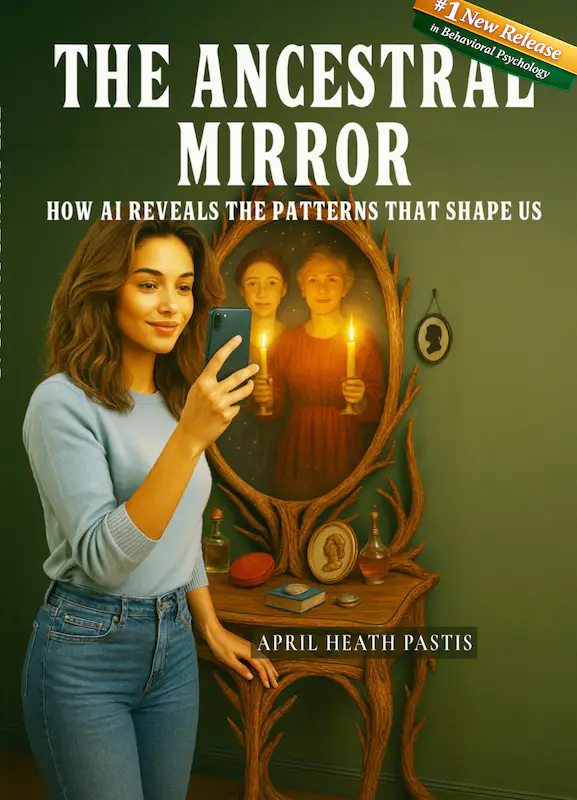
Behind the Mirror: Stories behind the story.


0 Comments